


A nuclear deal with the United States is “within reach, but only if diplomacy is given priority,” Iran Foreign Minister Abbas Araghchi said Tuesday as negotiations continue amid a significant U.S. military buildup in the region.
Araghchi made the remarks ahead of renewed talks in Geneva, as Washington and Tehran return to a familiar fight. President Donald Trump and Israeli Prime Minister Benjamin Netanyahu met Feb. 11 in Washington to debate whether negotiations should stay focused on uranium enrichment or expand to include Iran’s ballistic missile arsenal and regional proxy network. Netanyahu arrived urging broader limits, while Trump publicly emphasized pressure and warned of steep consequences if talks fail.
Military.com reached out for comment to the White House, Department of State, Department of Defense, Israeli Embassy in Washington, Iran’s Foreign Ministry and the International Atomic Energy Agency. None responded.
Negotiations resumed earlier this month with indirect sessions hosted by Oman, which has met separately with Iranian and U.S. delegations rather than placing both sides in the same room. Iranian officials described the Muscat talks as a first step aimed at setting the conditions for further negotiations, while also stressing that deep mistrust remains a major obstacle.
Diplomacy moved to Geneva for additional sessions later in the month. Iran paired the talks with a rare show of force, announcing a temporary closure of the Strait of Hormuz for live-fire drills—a step Tehran framed as part of its broader posture amid rising pressure and increased U.S. military activity in the region.

Iran has publicly maintained that its ballistic missile program is not negotiable, framing missile capabilities as defensive and separate from nuclear commitments. U.S. officials have pressed for a broader approach that reaches beyond enrichment, while Iran has emphasized that negotiations should remain confined to the nuclear file.
No draft framework, joint statement or implementation timeline has been announced.
Israel Seeks Missile Limits, Not Just Nuclear Caps
Netanyahu signaled after the Feb. 11 White House meeting that Israel views Iran’s missile arsenal and regional network as inseparable from the nuclear issue.
Israeli officials have argued that enrichment limits alone do not address the wider threat picture they associate with Iran-backed groups and long-range strike capabilities.
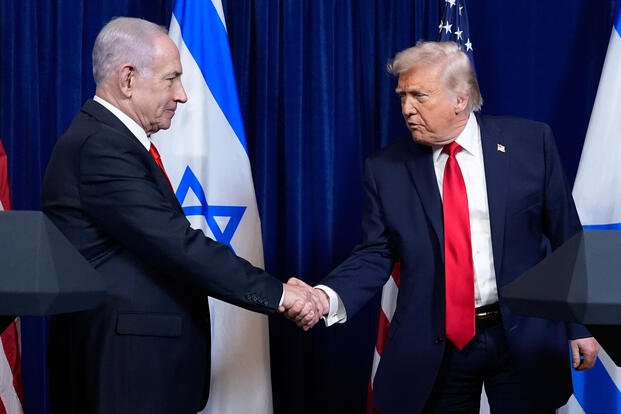
Trump’s public remarks around the meeting also pointed to a negotiating posture that links nuclear constraints to missiles, underscoring the political pressure on any deal that stops at enrichment alone.
No public announcement has been made regarding Israeli military action tied directly to the current talks.
Military.com reached out to the Israeli Embassy for comment. The embassy did not respond.
Congress Demands Clarity as Talks Continue
Lawmakers sought additional briefings following the Feb. 11 White House meeting, pressing for clarity on what the negotiations cover and what any agreement would require in terms of verification, enforcement and sanctions relief.

Congress does not negotiate international agreements, though it controls sanctions authority and funding that could determine whether any deal moves forward. Members from both parties have emphasized inspection access, snapback sanctions provisions, and clearly defined violation thresholds as core requirements.
Military pressure has remained a steady backdrop to the diplomacy. Defense leaders previously expanded U.S. warship presence in the Middle East and moved toward having two aircraft carriers in the region during earlier phases of heightened regional tension, signaling how quickly force posture can rise alongside negotiations.
Iran has also used military signaling during the current round, including live-fire drills and the temporary Strait of Hormuz closure announced while talks continued in Geneva.
Officials have not publicly linked specific military moves directly to the negotiations.





