


A “historic” energy deal is now on the table between the United States and Venezuela, tying the arrest of former leader Nicolás Maduro to a sweeping effort to reopen the country’s oil industry to foreign investment.
The Trump administration said it is facilitating talks with oil companies to rebuild Venezuela’s badly weakened oil infrastructure after Acting President Delcy Rodríguez delivered a state of the union address this week in Caracas urging major changes to the country’s hydrocarbon laws. The proposed reforms aim to loosen restrictions on foreign participation in Venezuela’s oil sector, which has collapsed after years of sanctions, mismanagement and political turmoil.
“President Trump brokered a historic energy deal with Venezuela, immediately following the arrest of narco-terrorist Nicolás Maduro, that will benefit the American and Venezuelan people,” White House spokesperson Taylor Rogers told Military.com. “President Trump’s team is facilitating positive, ongoing discussions with oil companies that are ready and willing to make unprecedented investments to restore Venezuela’s oil infrastructure.
President Trump is protecting our Western Hemisphere from being taken advantage of by narcoterrorists, drug traffickers and foreign adversaries.
Military.com reached out to the National Security Council, State Department, Treasury Department and Venezuela’s presidency for comment.
Rodríguez Urges Lawmakers to Rewrite Venezuela’s Oil Future
Pressure is building in Caracas to loosen decades of state control over oil production and expand the role of foreign capital and expertise.
Rodríguez urged lawmakers to move quickly on rewriting hydrocarbon laws that have long concentrated authority inside the state, including through PDVSA. The proposed overhaul would allow outside companies to take larger operational roles in exploration, production and refining while redefining PDVSA’s authority inside joint ventures.

A central issue sits at the heart of the debate. Investors have pressed for durable legal protections, clearer operating rights and enforceable dispute resolution mechanisms that reduce the risk of political reversals. Contract structure, taxation, profit sharing and arbitration exposure remain major concerns for any company weighing long-term commitments.
Infrastructure reality adds urgency. Refineries, pipelines and export terminals across Venezuela remain heavily degraded, and large-scale restoration would require sustained capital, reliable equipment access, and predictable rules that extend beyond one political cycle.
Economic recovery drives the push. Oil revenue once underwrote much of Venezuela’s public sector, including healthcare, transportation and social programs, before years of corruption, mismanagement and sanctions hollowed out the system.
Oil Still Decides Venezuela’s Fate
Venezuela holds the world’s largest proven crude oil reserves, estimated at more than 300 billion barrels, yet produces only a fraction of what it once did.
Output exceeded 3 million barrels per day in the late 1990s before collapsing amid political upheaval, sanctions and infrastructure decay. Production remains far below historic levels while energy facilities continue to operate well under capacity.
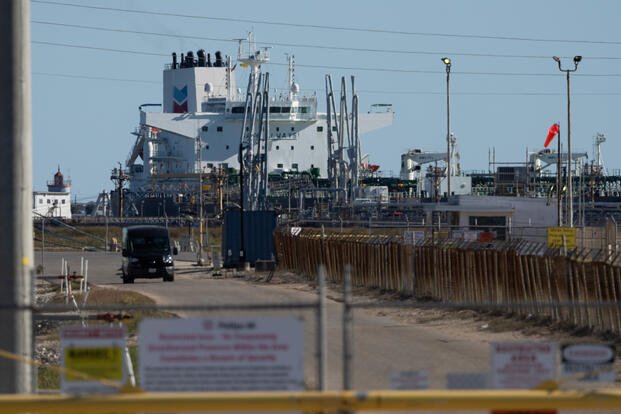
That contradiction explains why oil remains the country’s most powerful lever for recovery. Even modest gains could generate revenue, ease shortages and help restore basic services. No other sector offers comparable speed or scale for economic impact.
Sanctions policy, licensing decisions and legal reforms now intersect directly with Venezuela’s production potential. Each legislative vote and diplomatic move carries consequences not only for Caracas but also for global markets, tracking whether reform becomes reality.
Trump Bets on Oil to Drive Venezuela’s Transition
Energy strategy now sits at the center of Washington’s Venezuela policy as officials tie market access to broader political outcomes.
The administration frames the deal as proof that market access can succeed where isolation failed, describing a blend of pressure and opportunity aimed at positioning U.S. companies to return while limiting rival influence in the Western Hemisphere.
Enforcement actions at sea have become part of the pressure campaign, with U.S. forces and agencies moving to disrupt sanctioned shipments and detain vessels tied to Venezuelan-linked oil flows. The approach escalated after the administration ordered a crackdown on “sanctioned oil tankers” headed toward Venezuela.
The administration has also tied energy policy to the circumstances surrounding Maduro’s capture and removal from Venezuela, an operation U.S. officials described as the basis for a legal and political shift in Washington’s posture.
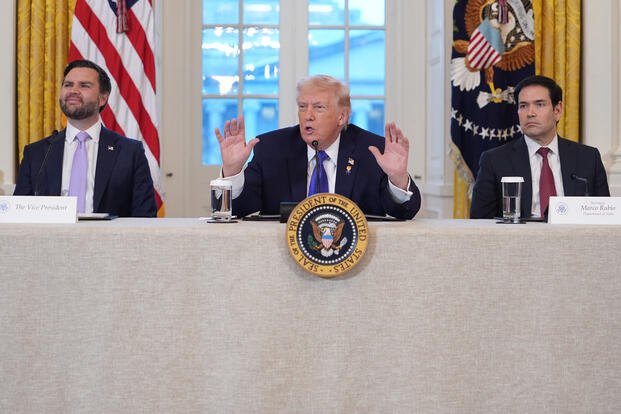
Major oil executives have held discussions with administration officials about potential roles in rebuilding Venezuela’s oil industry, as internal debates continue over how far U.S. policy should go in reclaiming leverage through energy access and control.
A senior administration official declined to comment to Military.com on specific investment terms but said the president views energy reform as essential to Venezuela’s political transition.
Expanded access to Venezuela’s oil market could reshape both regional supply and U.S. leverage in the Western Hemisphere, according to public remarks by U.S. Energy Secretary Chris Wright.
Investors Still Demand Proof
Capital has not yet followed the rhetoric.
Energy projects in Venezuela require clear legal protections, predictable contract enforcement, and durable rules that survive political change. Sanctions licensing and enforcement guidance also shapes what companies can do, how they can get paid, and whether projects can proceed without legal blowback.
Legal risk remains a major deterrent. Arbitration exposure, debt disputes and the legacy of past nationalizations continue to shadow boardroom decision-making. Long-term investment requires confidence that contracts and property rights will hold through political shifts.
The Next Test for Venezuela
Pressure now shifts to Venezuela’s lawmakers.
The coming legislative votes will determine whether reform promises translate into enforceable policy or stall in political gridlock. Investors and international partners are watching for legal language, regulatory authority, and enforcement mechanisms that prove reforms extend beyond rhetoric.
Failure to deliver clarity could freeze investment before it begins. A credible framework could accelerate Venezuela’s oil revival and reshape economic recovery timelines.
For Washington, the gamble reflects a belief that energy still moves politics faster than sanctions, speeches and summits.





